Mastering Composition in Landscape Photography

Today’s chosen theme is Mastering Composition in Landscape Photography. Welcome to a friendly, practical guide where we turn raw vistas into purposeful photographs that feel alive. Read, try the ideas on your next walk, and subscribe for weekly composition prompts.

Beyond the Rule of Thirds: Balance with Intent

Use the rule of thirds to position horizons and anchors where the eye naturally settles. Placing a ridge, lighthouse, or sunlit rock on an intersection creates stability, then leaves room for sky drama and narrative flow.

Beyond the Rule of Thirds: Balance with Intent

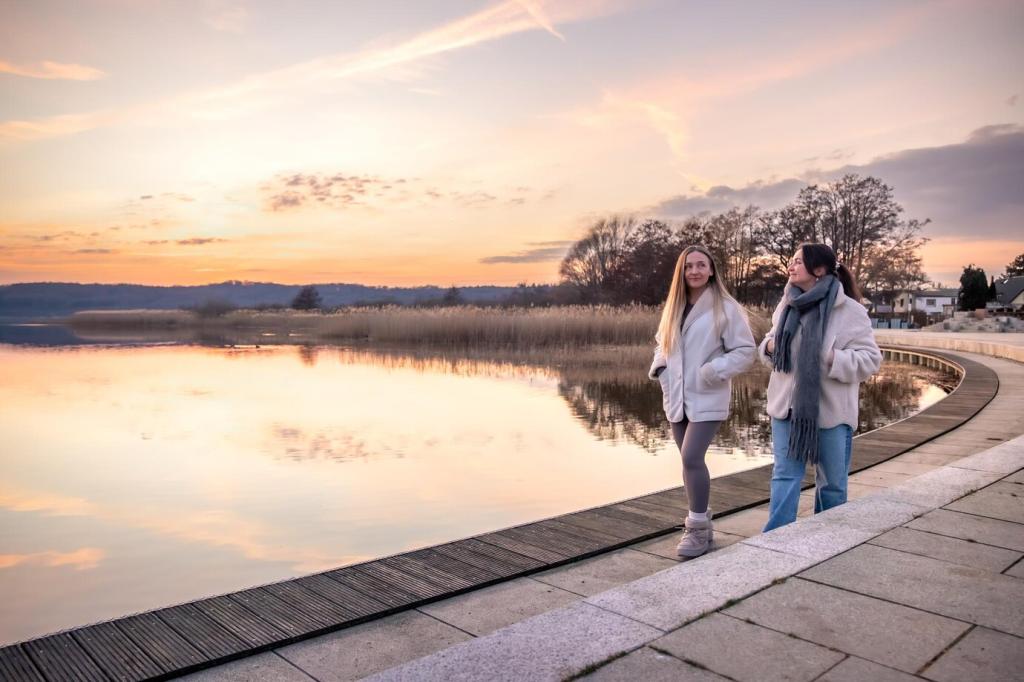
Some scenes demand symmetry: perfect reflections, mirrored peaks, and still lakes reward a centered horizon. Break the rule deliberately, not carelessly, letting calm geometry communicate serenity, balance, and a sense of timeless stillness.

Leading Lines that Live and Breathe

Natural lines that anchor the journey

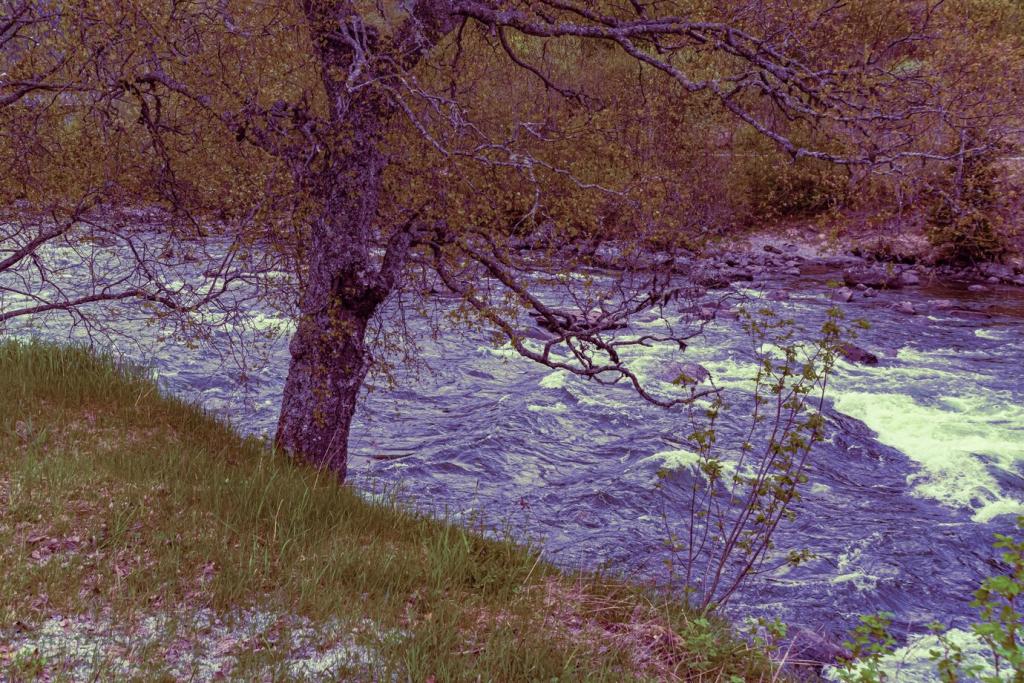
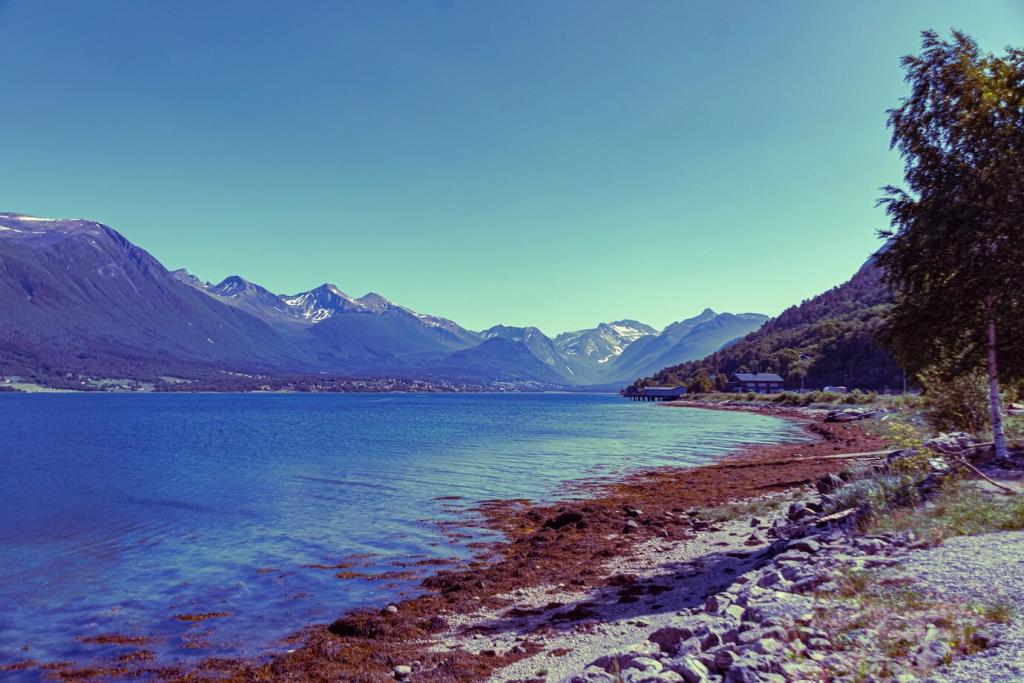
Rivers carve silver ribbons through valleys, ridgelines sketch diagonals across skies, and shorelines arc toward the horizon. Position these lines to enter from a corner and travel toward your subject, guiding attention with quiet authority.

Depth Through Foreground, Midground, and Background

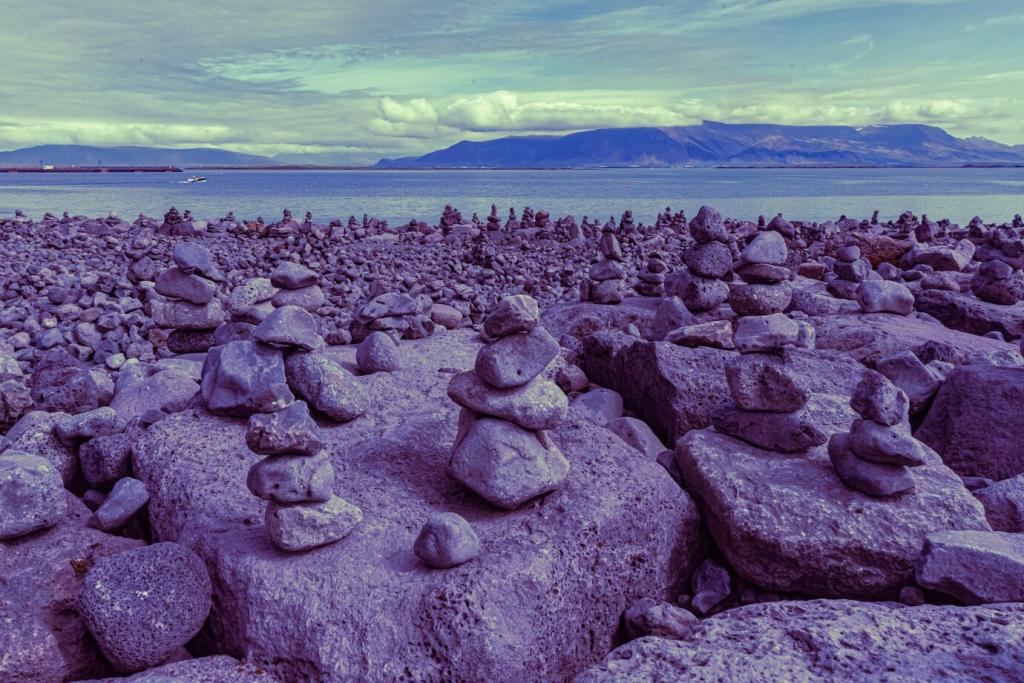
Choose a foreground that adds texture, scale, or context: frost on heather, patterned sand, or a bloom catching first light. If it doesn’t strengthen the story, move until it does or leave it out entirely.

Depth Through Foreground, Midground, and Background

The midground should bridge, not bore. Use curves, terraces, or mist-shrouded trees to connect foreground and subject. Think of it as a sentence linking two ideas so the eye never stumbles or stalls.

Perspective, Focal Length, and Camera Height

A wide lens pulls viewers into the scene, exaggerating near-to-far depth. A telephoto compresses distance, organizing chaos into patterns. Choose the focal length that clarifies your message rather than the one already mounted.

Perspective, Focal Length, and Camera Height

Lowering your viewpoint grants hero status to foreground textures; climbing reveals order and pathways. A thirty-centimeter shift can align elements beautifully. Make three height variations per scene and compare which story truly resonates.

Color, Contrast, and Visual Weight

Harmonies with a purposeful accent

Pair analogous greens and blues for calm, then add a warm accent—an orange tent or larch—to command attention. Place the accent strategically so it complements your hero rather than competing for the crown.

Contrast as hierarchy

High contrast attracts; low contrast recedes. Increase separation around your subject and let supporting areas remain gentle. Think of contrast as stage lighting that lifts the lead while softening everyone else into chorus.

When black-and-white clarifies the scene

If color distracts from shape, go monochrome. Textures, lines, and luminosity become the cast. Compose for light and form, then convert. Share a scene that improved the moment it lost its colors.
Trim distractions at the edges, straighten horizons, and refine aspect ratios to match your idea. Cropping is composition’s second chance—use it boldly, then compare before and after to validate the improvement.
Gently brighten your subject’s path and darken edges that leak attention. Small vignettes, restrained clarity, and controlled color saturation create flow. Aim for invisible edits that feel natural, not noticeable.
Ask: Where does the eye start? Where does it end? Are there mergers? Does light support the story? Share your checklist in the comments and subscribe for our printable field card.
Norivexalorixonex
Privacy Overview

This website uses cookies so that we can provide you with the best user experience possible. Cookie information is stored in your browser and performs functions such as recognising you when you return to our website and helping our team to understand which sections of the website you find most interesting and useful.