Understanding Light and Weather for Landscape Shots

Today’s chosen theme is Understanding Light and Weather for Landscape Shots. Let’s explore how the sky paints your frame and how weather shapes emotion, so your landscapes feel alive. Stay with us, share your thoughts, and subscribe for more field-tested insights.

Reading the Sky: Light Types and Their Moods

When the sun sits low, shadows stretch, textures leap forward, and tones turn naturally warm. Golden hour often falls near 3000–4500K, flattering rock, foliage, and water. Scout compositions earlier, then move quickly as the light shifts. Share your favorite golden hour discovery in the comments.

Reading the Sky: Light Types and Their Moods

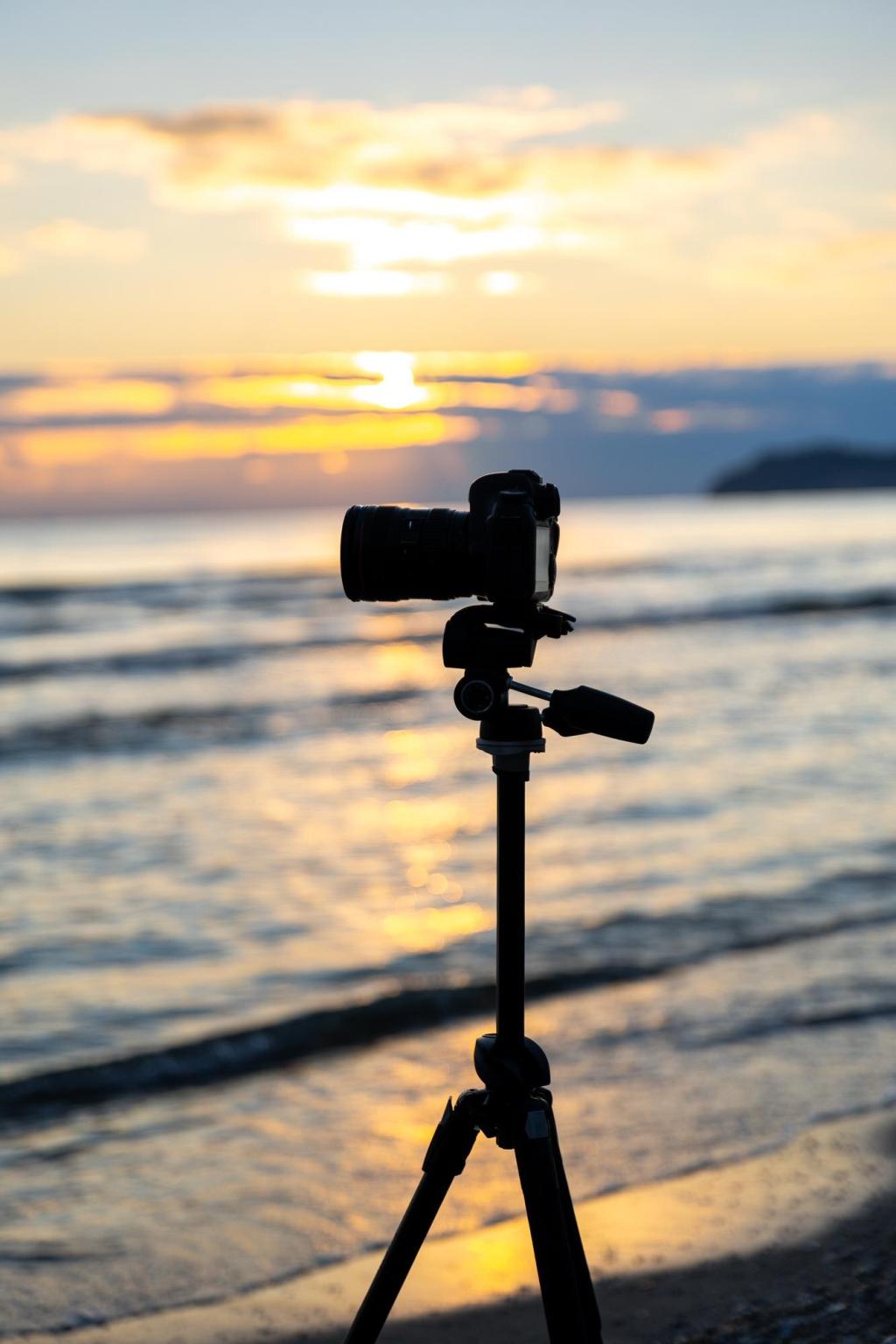
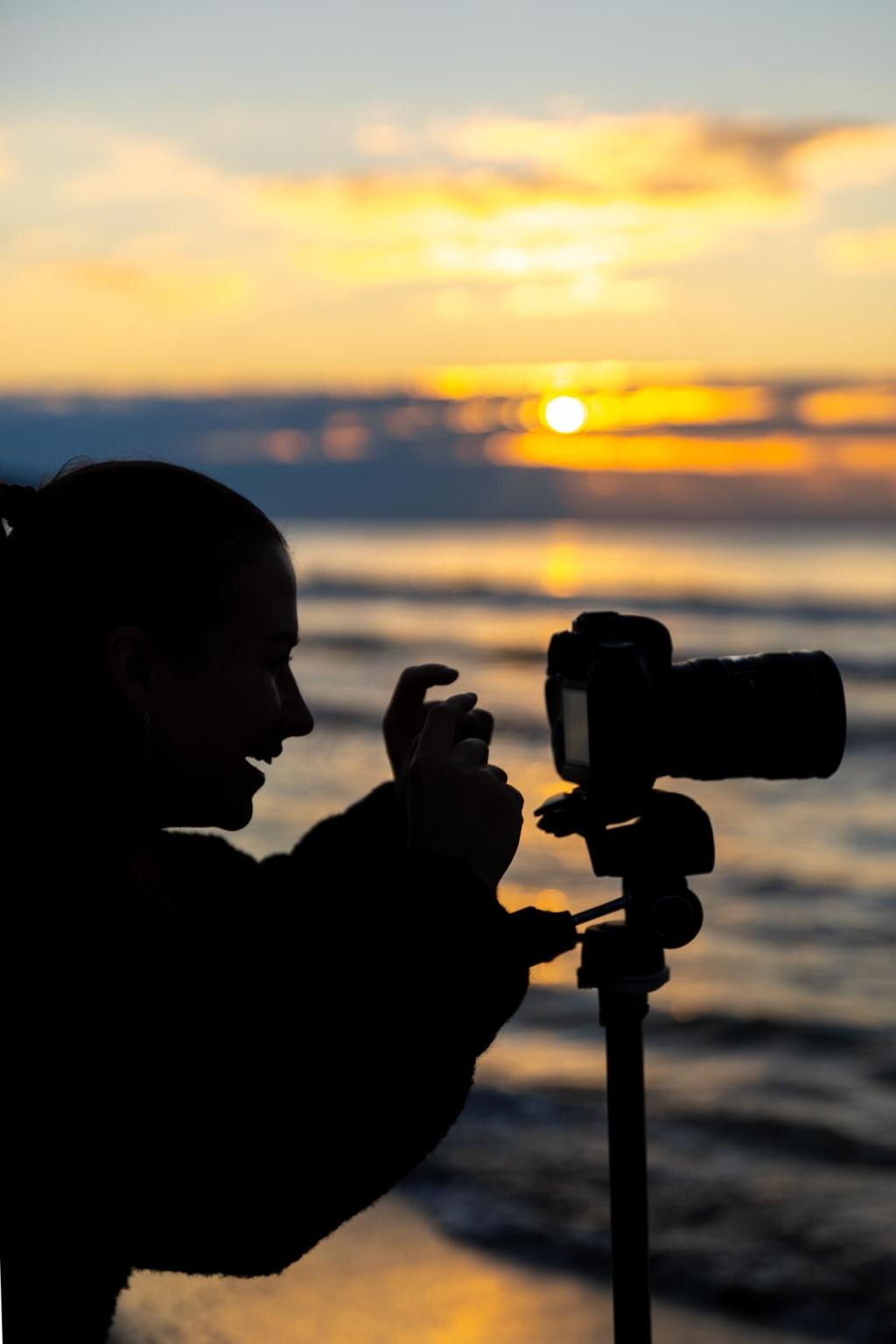
Just before sunrise and after sunset, blue hour brings cool harmony and gentle transitions, often above 7000K in color temperature. Reflections deepen, city lights sparkle, and mountains soften into silhouettes. Use a tripod and longer exposures to invite quiet drama. Tell us where your most peaceful blue hour happened.
Weather as a Brush: Clouds, Fog, and Rain

Layered clouds sculpt light across ridgelines, valleys, and water. Broken cumulus can spotlight fields, while overcast skies diffuse highlights for painterly tones. Watch for cloud edges; they create moving vignettes that guide the eye. Capture a timelapse or sequence, and share your favorite cloud patterns with our community.

Exposure Strategies for Unpredictable Conditions

The preview lies under bright sun. Trust your histogram to avoid clipping clouds or losing shadow nuance. Aim to preserve highlights and recover shadows later if needed. Practice quick checks between bursts of changing light, and share which histogram tricks helped you nail a tough scene.

Exposure Strategies for Unpredictable Conditions

When storms create blazing skies and dark valleys, bracket exposures—often two to three stops apart. Merge carefully for natural tones, avoiding halos and crunchy edges. If the wind moves trees, choose the best single frame. Comment with your preferred bracketing sequence and why it works.

Color and White Balance in the Wild

Custom White Balance for Honesty

Use a gray card or neutral surface to set custom white balance on misty mornings or mixed light. This protects skin tones and subtle greens from drifting. If the moment is about realism, accuracy matters. Share when you prefer custom settings over automatic choices and why.

Planning Tools and On-the-Spot Instinct

Maps, Sun Paths, and Tides

Use reliable apps for sun angles, moon phases, tides, and topographic shadows. Pin compositions, note elevation, and pre-visualize seasonal changes. Arrive early to adjust. Recommend your go-to planning tool and why it keeps you one step ahead of shifting light.

Reading Microclimates

Mountain passes trap clouds, sea breezes create fog, and valleys hold cold air at dawn. Watch wind flags, smell rain, and study the horizon. Small signals predict big changes. Share a microclimate surprise that reshaped your plan and improved your photograph.

Embrace Serendipity

A sudden break in the clouds once lit a lone barn for thirty seconds, and that fleeting spotlight made the portfolio cover. Be ready, stay flexible, and keep your settings close. Comment with your best accidental magic, and subscribe for more stories from the field.

Composition Guided by Light Direction

Backlight creates luminous edges around trees, grasses, and peaks. Position yourself to avoid flare, or use it creatively for glowing veils. Expose for highlights to keep rim detail. Share a backlit scene where risk and reward aligned perfectly.

Composition Guided by Light Direction

Sidelight rakes across surfaces, revealing patterns in dunes, strata in cliffs, and ripples on water. Use it to emphasize leading lines and depth. A low angle amplifies shape. Post a before-and-after showing how sidelight transformed your composition.

Safety, Comfort, and Persistence in Weather

Clothing and Care for Gear

Layer for changing temps, carry gloves that preserve dexterity, and pack a breathable shell. Keep silica packs in your bag and protect against condensation. A simple rain cover saves sessions. Share your essential weather kit so others can learn and adapt.

Know the Forecast, Respect the Front

Monitor radar, lightning maps, swell reports, and avalanche advisories as needed. If thunder approaches, descend and shelter safely. Storm edges are gorgeous but demand caution. Comment with the safety practice you never skip, and encourage a partner to do the same.

Mindset and Patience Pay Off

Some of the best frames arrive minutes after you almost leave. Breathe, reframe, and watch the horizon. Perseverance breeds luck. Share a moment when patience delivered the shot, and subscribe to keep these reminders arriving when inspiration thins.
Norivexalorixonex
Privacy Overview

This website uses cookies so that we can provide you with the best user experience possible. Cookie information is stored in your browser and performs functions such as recognising you when you return to our website and helping our team to understand which sections of the website you find most interesting and useful.