Long Exposure Techniques for Waterfalls and Rivers

Chosen theme: Long Exposure Techniques for Waterfalls and Rivers. Welcome to a space where moving water becomes brushstroke and time becomes texture. Explore practical tips, heartfelt stories, and creative ideas that transform cascades and currents into silky, luminous art. Share your questions, subscribe for weekly flow challenges, and join a community that learns by doing and telling the tales behind each image.

Foundations of Long Exposure Flow

Shutter speed is your mood dial. Around 1/4–1 second reveals silky texture while preserving ripples; 2–6 seconds softens eddies into satin; 10–30 seconds turns torrents into misty tapestries. Test several exposures, then compare on your histogram, watching highlights in foam and cascades. Share your favorite time ranges and why they fit your storytelling.

Foundations of Long Exposure Flow

ND filters tame bright scenes so you can extend time. A 3-stop filter smooths gentle streams; 6-stop suits late afternoon rivers; 10-stop handles daylight waterfalls. Watch for color casts, vignetting when stacking, and micro-leaks from viewfinders. Rotate carefully if pairing a circular polarizer. Post your before-and-after frames to discuss filtration choices.
Composing with Currents

Scout riffles, eddies, and plunge pools to understand how water moves and where it lingers. Change height to alter perspective: low angles amplify speed; high vantage points clarify patterns. Consider safety first around slick shelves. Share a scouting anecdote about a bend or boulder that transformed your composition and taught you patience.

Polarizers with ND: Reflections Under Control

A circular polarizer strips glare, deepens greens, and reveals stones beneath the surface. Stacked with ND, it can add 1–2 stops, so recalc exposure. Rotate to taste—too much can kill life in reflections. Watch for cross-polarization rainbowing. Share a before/after sequence showing how reflection control reshaped your composition.

Weather as a Brushstroke

Fog, drizzle, and overcast are friends to even tonality, while sunshafts and spray create sparkle. Rainbows may appear near waterfalls when sun angles align. Bring a microfiber cloth, lens hood, and patience during showers. Tell us about a moody day when weather rescued your exposure and gave the scene an unforgettable voice.

White Balance and Emotional Temperature

Shoot RAW and treat white balance as mood, not math. Cooler tones around 4000–5000K suit twilight calm; warmer 6000–7000K celebrates golden cascades. Mix local adjustments to keep whites clean without losing atmosphere. Describe a scene where a tiny WB tweak made the water feel like winter breath or late-summer honey.

Field Workflow: From Setup to Capture

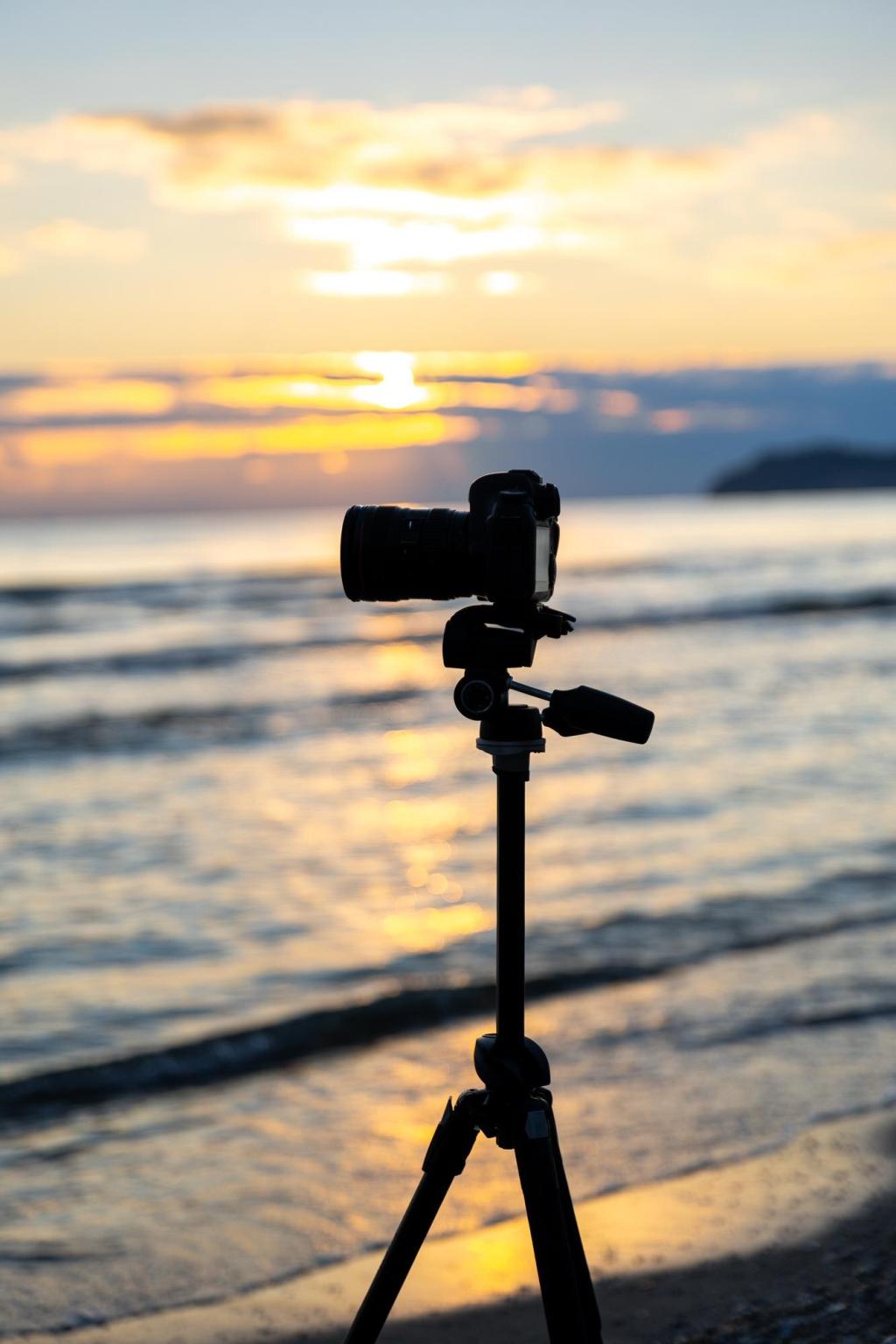
Wear grippy footwear, pack spare cloths, and secure filters. Level the tripod, lock legs, and test a fast exposure for framing. Cover the viewfinder to prevent light leaks. Decide on long exposure noise reduction based on time and battery life. Share your checklist so others can refine their river readiness.

Field Workflow: From Setup to Capture

Bright foam clips easily. Use the histogram and blinkies to guard whites, exposing for highlights and lifting shadows later. Consider a soft graduated ND, or bracket two frames for blendable dynamic range. Post a side-by-side showing how a tiny highlight save preserved delicate detail in the cascade.
Norivexalorixonex
Privacy Overview

This website uses cookies so that we can provide you with the best user experience possible. Cookie information is stored in your browser and performs functions such as recognising you when you return to our website and helping our team to understand which sections of the website you find most interesting and useful.